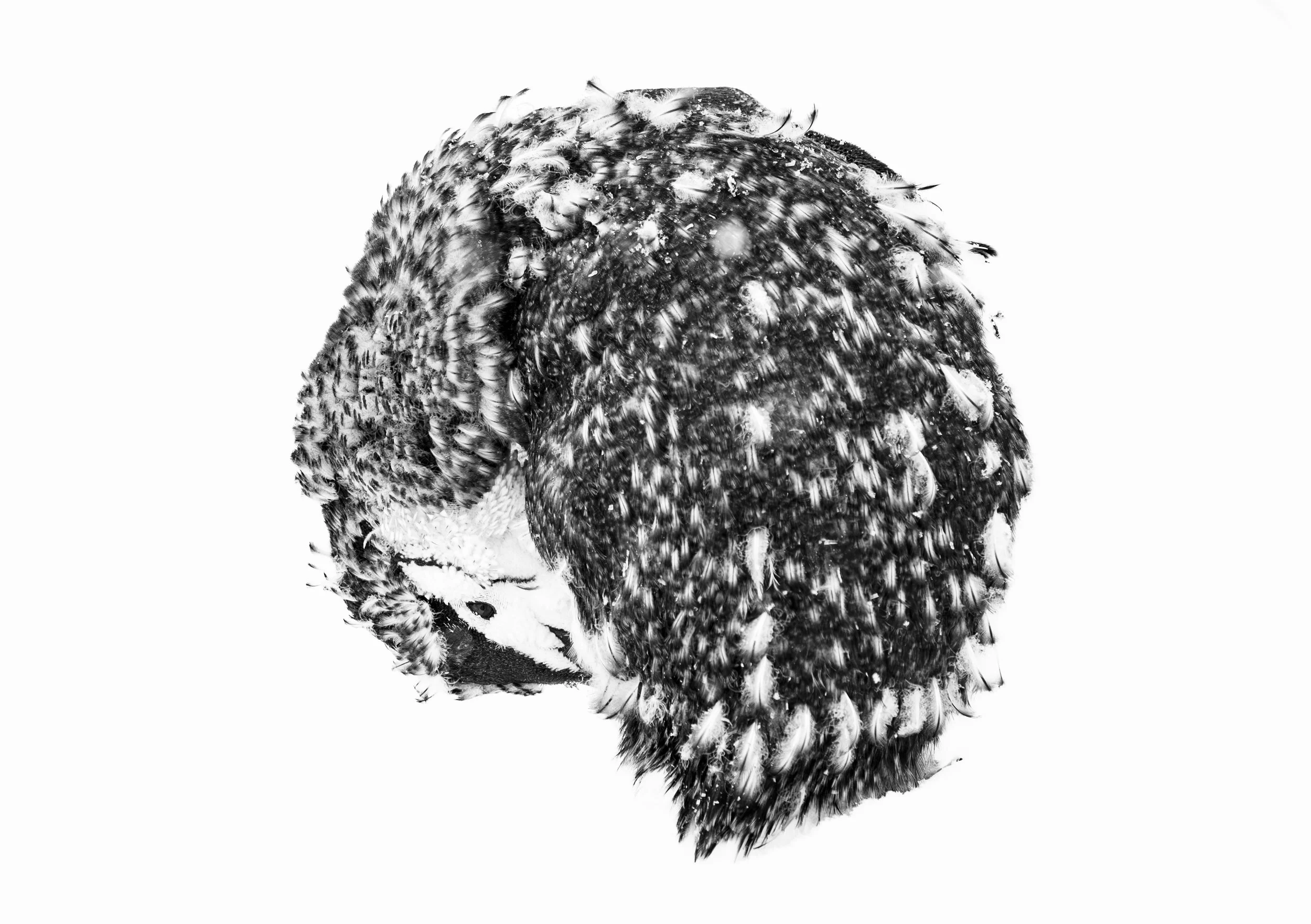
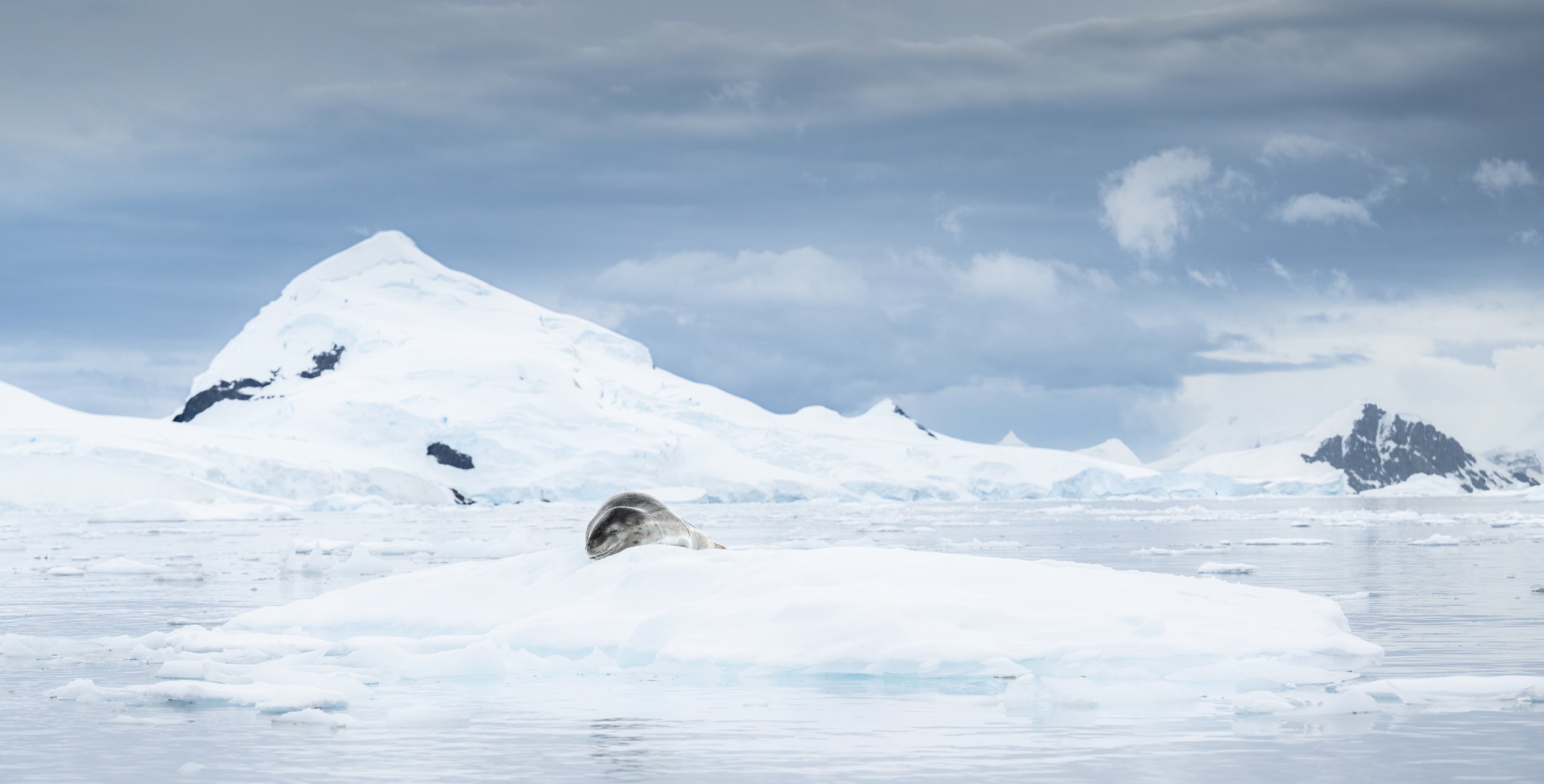
There are few journeys on Earth that carry quite the same sense of adventure as an expedition into Antarctica's Ross Sea. Here, monumental ice shelves rise from the ocean, ancient glaciers descend between mountains and the smoking summit of Mount Erebus stands above a wilderness of almost unimaginable scale. Beyond the familiar reaches of the Antarctic Peninsula lies a world still governed by ice, weather and isolation, where the presence of humankind feels fleeting against the immensity of the natural world.
Expedition Highlights
28-day expedition voyage to the Ross Sea and Subantarctic Islands
Approximately 10–12 days exploring Antarctica itself
Limited to just 8 photographers for highly personalised tuition
Photograph Adélie and Emperor Penguins in remote Antarctic colonies
Opportunities for Orca, whale, and seal encounters along the ice edge
Explore historic expedition sites linked to Scott, Shackleton, and Borchgrevink
Visit the Subantarctic Islands: Macquarie, Campbell, Auckland Islands, and The Snares
Photograph Wandering and Royal Albatross, Petrels, Prions, and other pelagic seabirds from the Southern Ocean
Access to a private Zodiac for increased space and creative flexibility
Onboard image reviews, photography sessions, and one-to-one guidance
Creative techniques including high key, low key, and in-camera multiple exposures
Strong emphasis on producing finished images in camera
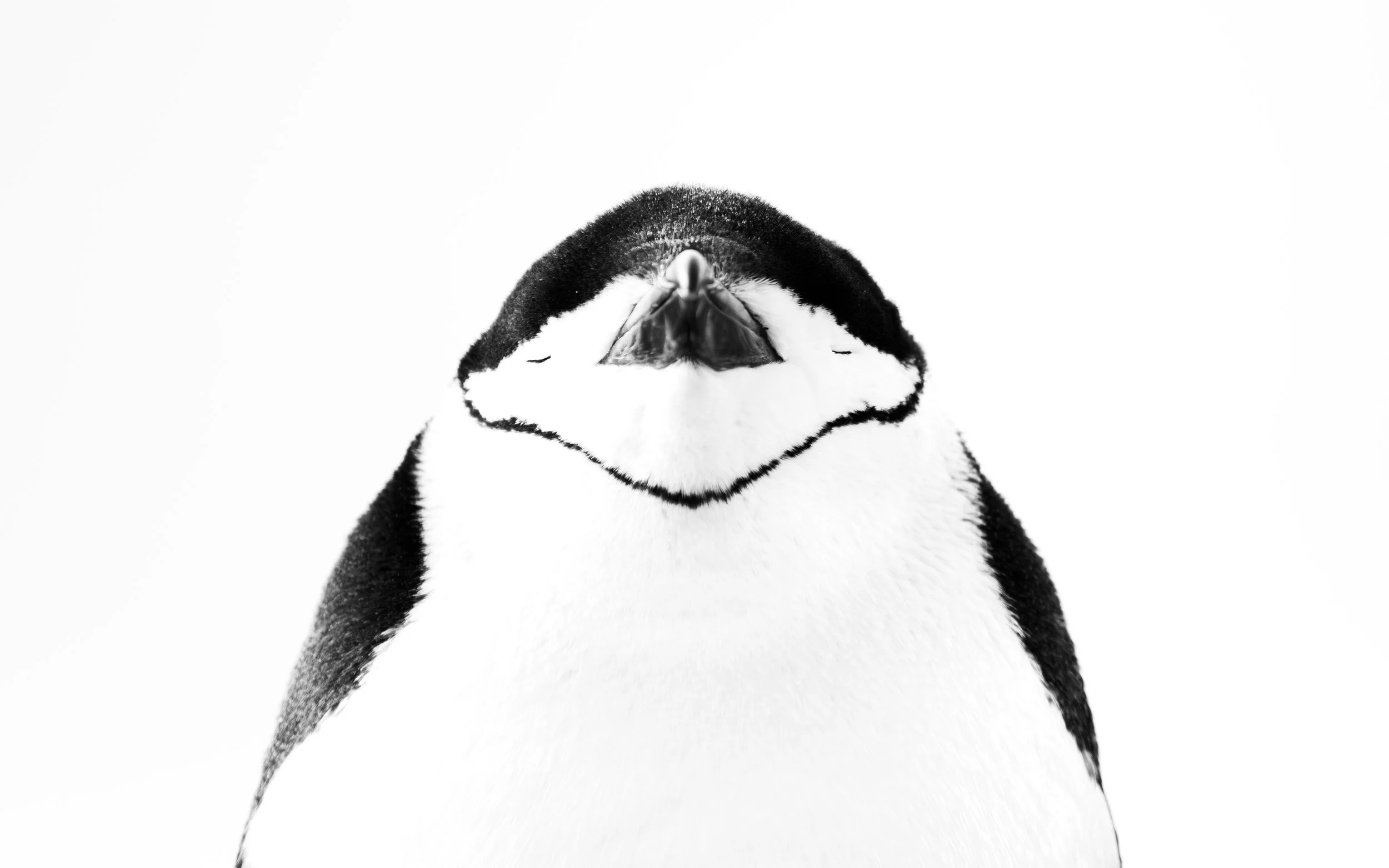
Ross Sea, Antarctica
For more than a century, the Ross Sea has occupied a remarkable place in the history of exploration. It was here that some of the greatest chapters of the Heroic Age of Antarctic Exploration unfolded, as Scott, Shackleton and their companions ventured into the unknown, enduring extraordinary hardships in pursuit of discovery. Travelling aboard the Heritage Adventurer, we follow in their wake, journeying south through the Southern Ocean towards the great white continent, where the landscapes that inspired those early explorers remain as humbling and extraordinary as ever. This is expedition travel in its purest form. Over 28 remarkable days, including approximately 10–12 days exploring Antarctica itself, the journey is shaped by the ever-changing conditions of the Southern Ocean. Shifting pack ice, unpredictable weather and the extraordinary Antarctic light determine the possibilities of each day. No two voyages are ever quite alike, and it is this very uncertainty that makes travelling into the Ross Sea such a profound experience.
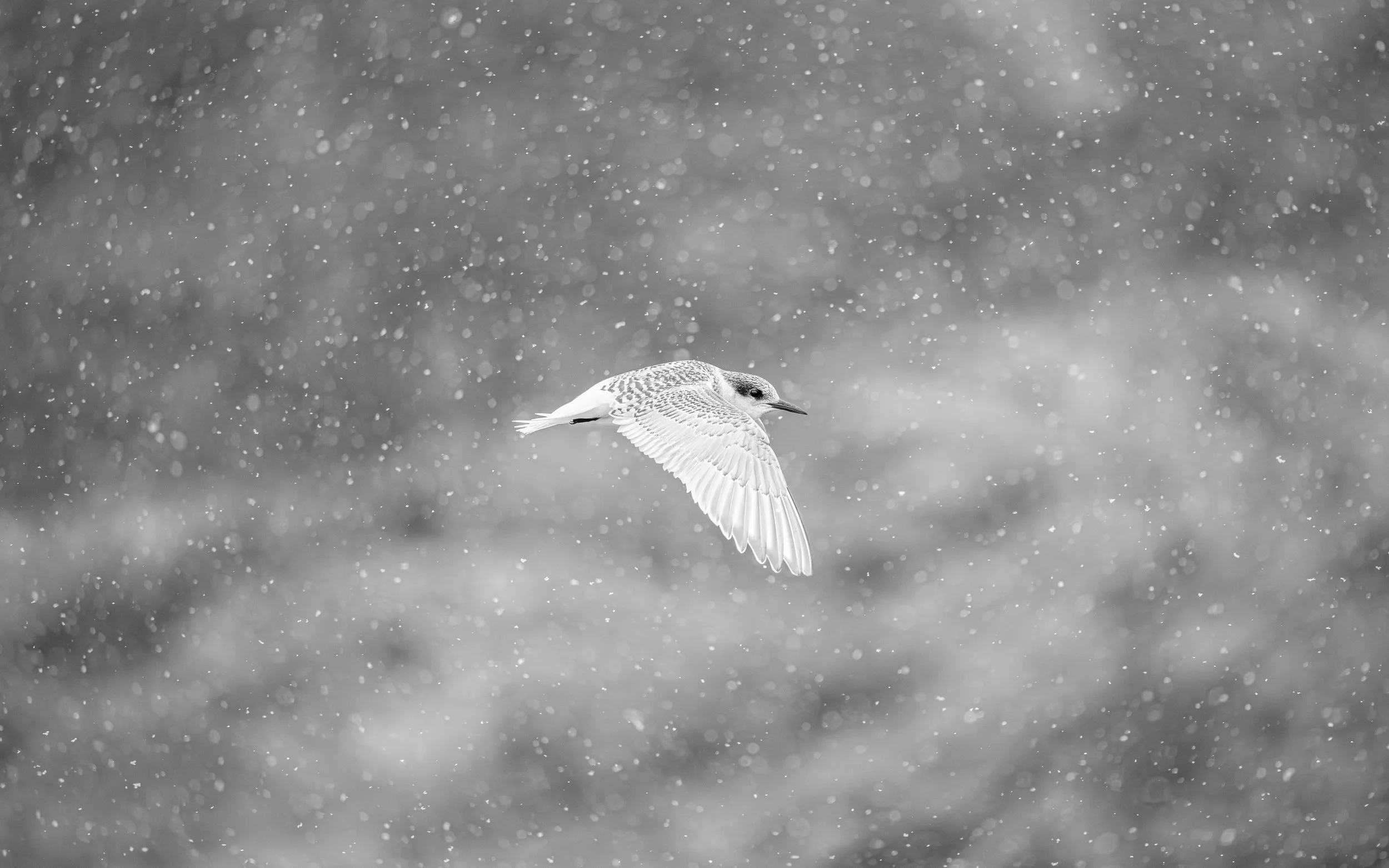
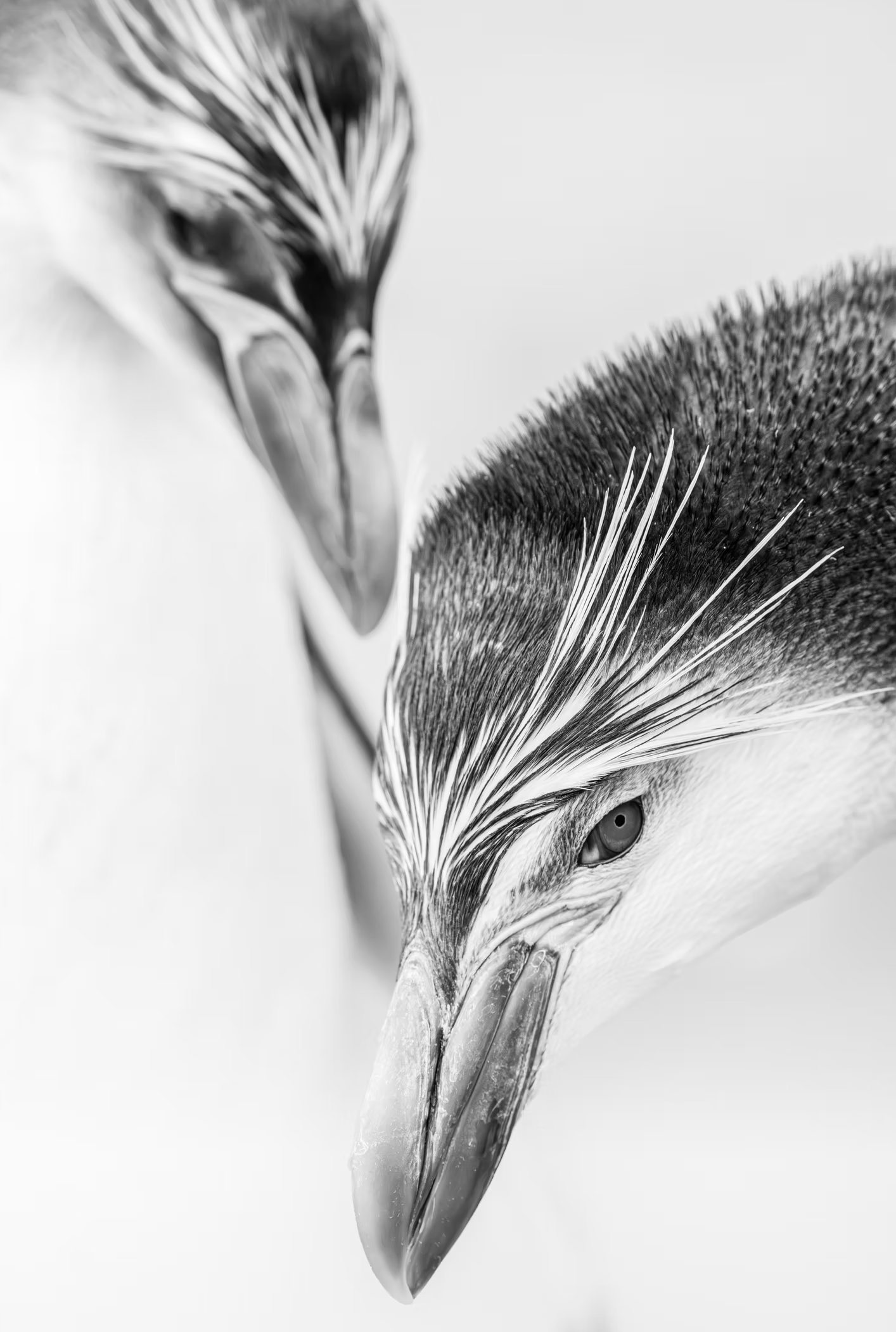
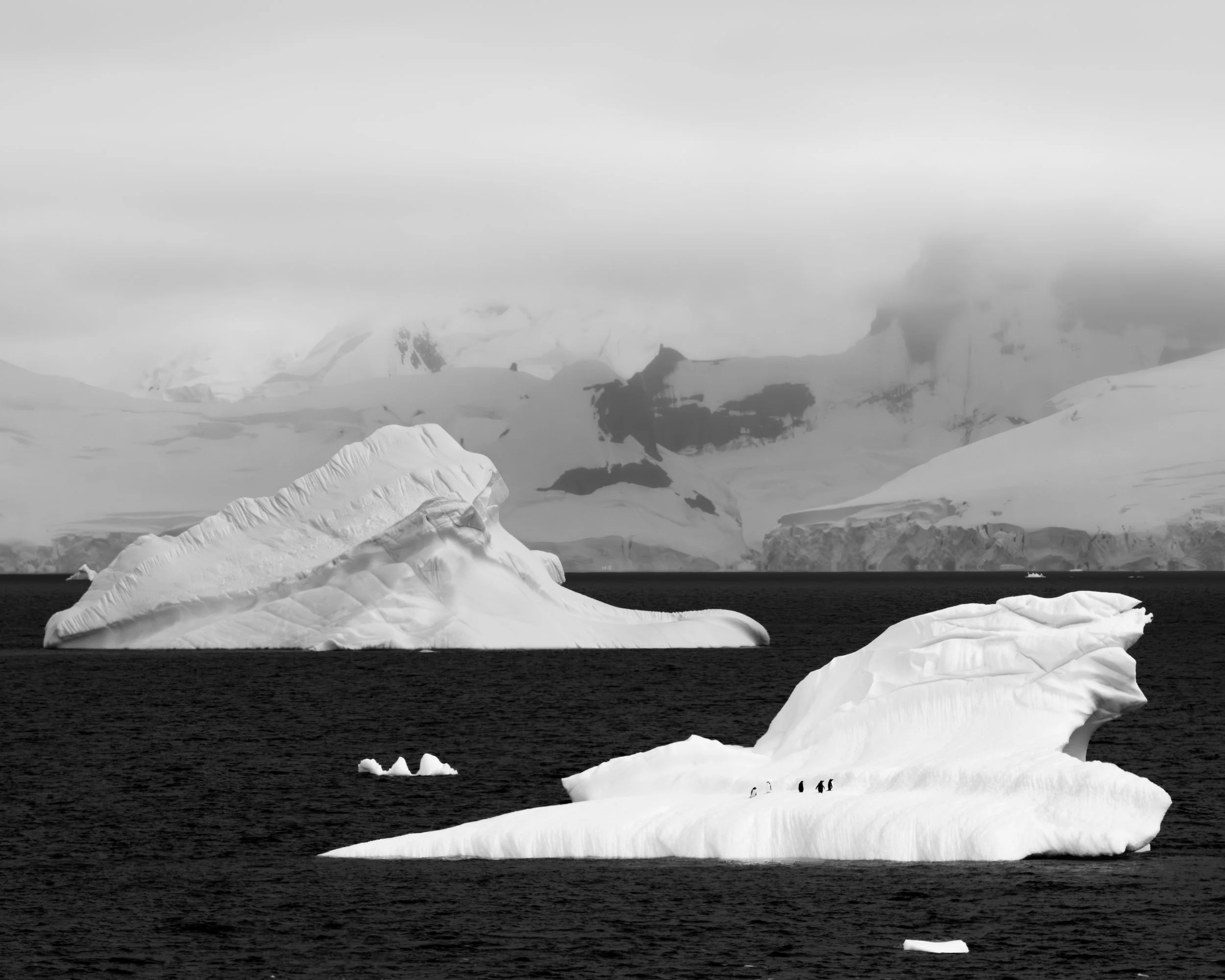
The Ross Sea offers a glimpse into one of the planet's most extraordinary wildlife strongholds. Vast colonies of Adélie Penguins gather against black volcanic shores, their constant movement and spirited interactions bringing life to an otherwise seemingly silent world. Along the margins of the pack ice, encounters with Emperor Penguins may offer the rare privilege of photographing Antarctica's most iconic seabird against a landscape of extraordinary simplicity and scale. Weddell Seals rest upon the ice, Leopard Seals patrol the waters between floes, and Orca move through the frozen seascape in search of prey. Every encounter unfolds within a landscape that is as compelling as the wildlife itself, inviting photographs that capture not only the remarkable adaptations of these animals, but the immense and often unforgiving environments in which they survive. Yet some of Antarctica's most memorable moments are its quietest. The delicate passage of a Snow Petrel against towering ice cliffs. The subtle blue of ancient ice illuminated beneath an overcast sky. The extraordinary stillness of a polar evening, when the sun hangs low above the horizon and the boundaries between sea, ice and sky begin to disappear. These are the moments that reward patience, imagination and a willingness to look beyond the obvious. The journey also takes you into the history of Antarctic exploration, with opportunities to visit historic sites associated with Scott, Shackleton and Borchgrevink, subject to conditions and access. To stand among the remnants of these early expeditions, surrounded by the same immense landscapes that confronted their crews, is to experience an extraordinary connection between past and present. Their stories of courage, ambition and endurance lend another dimension to the voyage, reminding us of just how extraordinary it remains to reach these distant shores.
Before reaching the Antarctic continent, you explore the Subantarctic Islands, among the most biologically abundant and isolated islands in the Southern Hemisphere. On Macquarie Island, endemic Royal Penguins gather in immense colonies, while King Penguins and Southern Elephant Seals occupy the rugged shorelines. Campbell Island is home to the magnificent Southern Royal Albatross, whose enormous wings carry them effortlessly above windswept slopes. The Auckland Islands and The Snares reveal further opportunities to encounter rare Penguins, remarkable seabird colonies and landscapes shaped by the relentless Southern Ocean.
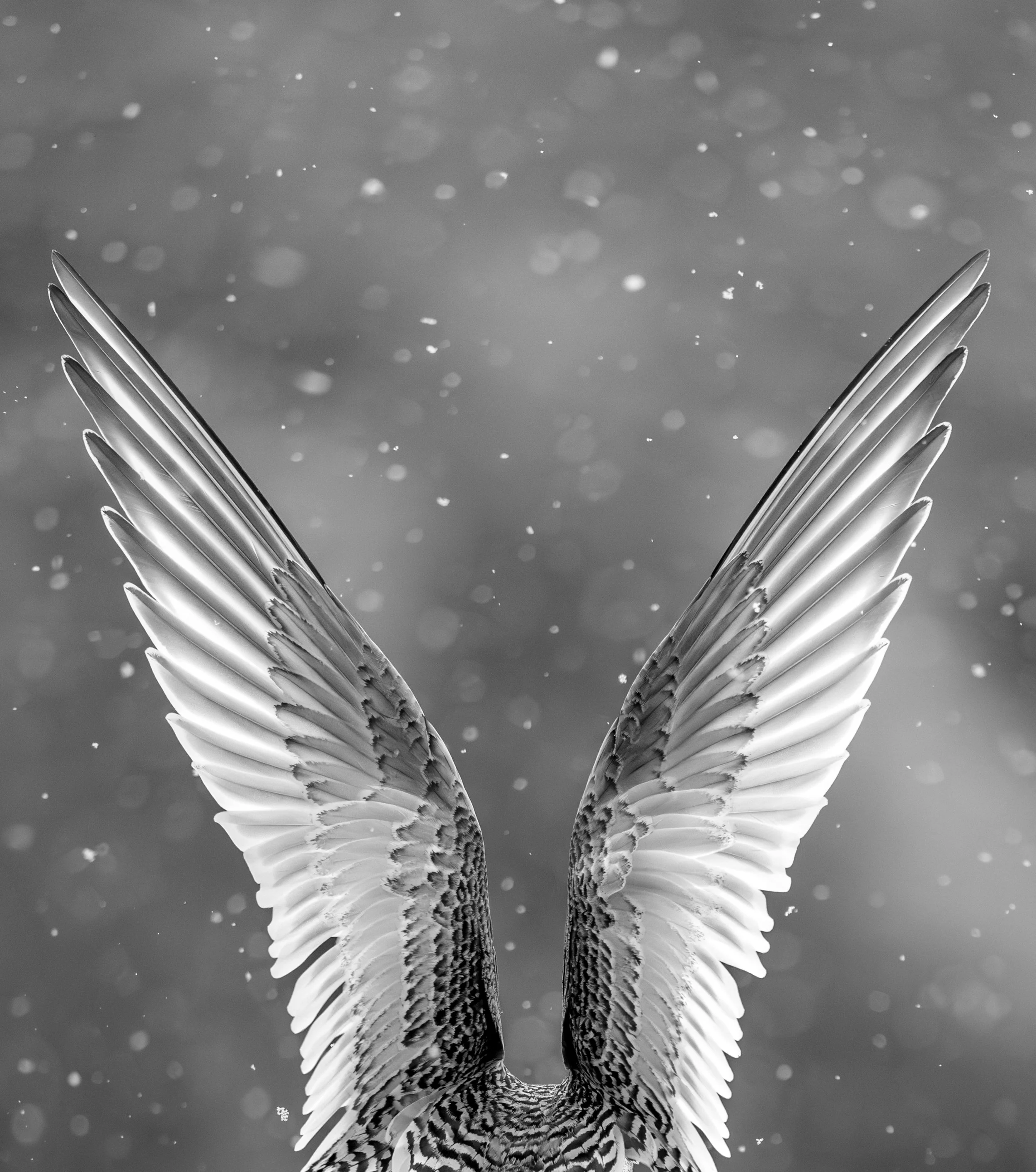
Between these distant destinations, days at sea become an essential part of the photographic experience. The Southern Ocean is the kingdom of the Albatross, where Wandering, Royal, Campbell, Buller's and Black-browed Albatrosses glide across vast expanses of open water, accompanied by Petrels, Prions and Shearwaters. Photographing these extraordinary ocean wanderers from the vessel offers opportunities to explore movement, changing light and dramatic compositions, while developing a deeper understanding of the remarkable birds that spend much of their lives far from land.
Limited to just eight photographers, this expedition offers an exceptionally personal approach to photographic tuition. Throughout the voyage, Rachel provides tailored guidance shaped around your individual experience, interests and creative ambitions. With access to a dedicated Zodiac, where operational conditions permit, there is greater space and flexibility to explore photographic opportunities, while onboard image reviews, individual mentoring and practical sessions allow your work to develop throughout the journey. From navigating the technical challenges of photographing wildlife against snow and ice to anticipating behaviour and refining compositions in rapidly changing conditions, Rachel's teaching is grounded in the realities of working in the field. Beyond technical proficiency, she encourages you to explore your own creative interpretation of Antarctica, discovering how light, movement, atmosphere and emotion can transform a photograph into something altogether more personal. Drawing upon her distinctive fine-art approach, you will have opportunities to experiment with high-key and low-key photography, in-camera multiple exposures, intentional camera movement and shutter drag. Central to Rachel's philosophy is the belief that the most meaningful images begin long before the shutter is released, through observation, patience and a genuine connection with the subject. Her emphasis on achieving the desired result in camera encourages a more considered and intuitive way of working, allowing the extraordinary experience of being there to remain at the heart of every image.
More than a photography workshop, this is an invitation to follow in the footsteps of history, to venture into one of Earth's last great wildernesses and to experience Antarctica far beyond the ordinary. It is an opportunity to witness remarkable wildlife, discover the beauty of an almost untouched world and develop a deeper understanding of the landscapes and living creatures that make the Ross Sea so extraordinary.
To return with photographs is one thing. To return having experienced the profound silence, scale and wonder of the Antarctic is something else entirely.
A journey in the wake of explorers, and an invitation to discover Antarctica through your own eyes.